
Spaghetti Mats: The Complete Guide to PVC Coil Matting for Wet and High-Traffic Areas
Some mats are chosen for how they look. Others are chosen purely for how hard they work. Spaghetti mats fall firmly into the second category — and once you understand what they’re built to do, it’s easy to see why they’ve become a go-to solution for pool decks, workshops, wet entrances, and industrial sites across South Africa.
At Vantage Branded Door Mats, spaghetti matting is one of the most requested products from businesses dealing with constant water, mud, or grit at their entrances. In this guide, we’ll break down exactly what spaghetti mats are, how they work, and where they make the biggest difference.
What Is a Spaghetti Mat?
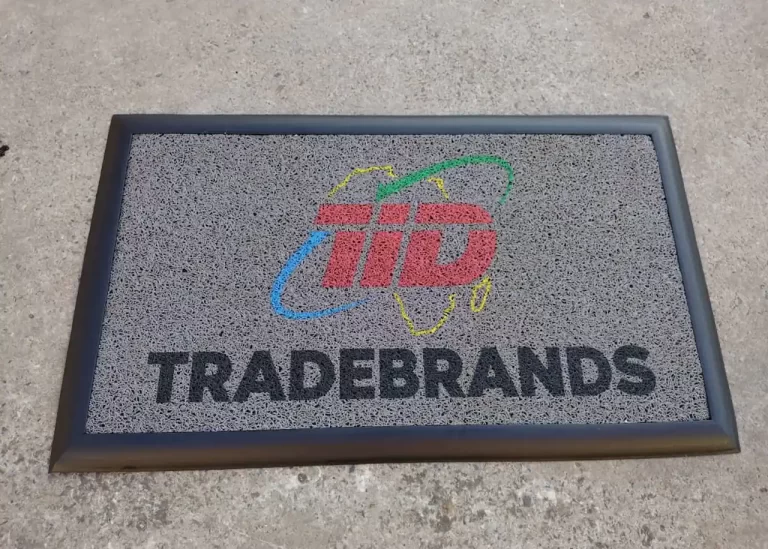
A spaghetti mat — also known as a PVC coil mat or vinyl loop mat — is a type of entrance matting made from extruded PVC or vinyl strands that are randomly bonded together in a tangled, looping pattern. The name comes from exactly what it looks like: a tangled plate of noodles, spread out flat and bonded into a mat.
Unlike a flat rubber mat or a tightly woven coir mat, the surface of a spaghetti mat is open and springy. Instead of sitting on top of the mat, water, sand, mud, and grit fall straight through the loops, either draining away completely or collecting in a solid backing layer beneath the surface. This single design feature is what sets spaghetti mats apart from almost every other type of matting on the market.
How Spaghetti Mats Actually Work
The coil structure does two jobs simultaneously, and both are worth understanding if you’re deciding whether this type of mat suits your space.
Scraping action. As shoes, boots, or bare feet move across the raised PVC loops, dirt and debris get knocked loose from the soles. The uneven, bristly texture of the coils is far more effective at dislodging grit than a smooth or flat surface would be.
Drainage. Because the loops are open rather than tightly packed, water passes straight through the mat instead of pooling on top of it. This keeps the surface people are actually walking on drier and safer, even in conditions where a flat mat would quickly become slippery or saturated.
Spaghetti mats are generally available in two formats, and the difference matters when choosing the right one for your space:
- Backed spaghetti mats have a solid vinyl or rubber base layer underneath the coils. This traps dirt and water within the mat itself, which is ideal for surface-mounted use on a regular floor. These mats need to be lifted periodically and hosed down or shaken out to release what’s collected underneath.
- Unbacked spaghetti mats have no solid base, allowing water and debris to fall straight through to whatever is underneath — typically a mat well, a floor drain, or an open grate. These are best suited to areas that are specifically designed to handle water runoff.
Why Spaghetti Mats Outperform Other Mats in Wet Conditions
They handle water without becoming a hazard. Flat mats — whether rubber, coir, or carpet — tend to hold water on the surface, which increases slip risk the longer they stay wet. Because spaghetti mats let water pass through rather than sit on top, they stay functional and safer underfoot even in constantly wet environments.
Cleaning takes minutes, not hours. Most spaghetti mats can simply be hosed down, pressure washed, or rinsed off entirely. There’s no absorbent fibre to dry out and no risk of lingering dampness, since the PVC construction sheds water almost immediately.
Built for tough, ongoing use. Spaghetti mats are typically made from UV-stable, weather-resistant PVC, which means they hold up well to direct sunlight, temperature swings, and constant foot or vehicle traffic without cracking, fading, or breaking down the way cheaper matting can.
Naturally resistant to mould and mildew. Because the material doesn’t absorb moisture the way coir or carpet fibres do, spaghetti mats are far less prone to the mould and mildew build-up that’s common in damp, humid environments like change rooms and showers.
Flexible sizing. Spaghetti matting is commonly supplied on a roll and can be cut to size on-site, which makes it especially useful for irregular walkways, temporary work areas, or entrances that don’t match a standard mat size.
Where Spaghetti Mats Are Used
The unique combination of drainage, durability, and grip makes spaghetti mats a practical choice across a wide range of settings:
- Pool decks and change rooms, where constant water exposure makes flat matting a slip risk
- Showers and locker rooms, where fast drying and mould resistance matter most
- Workshops and industrial floors, where oil, grease, and grit are a daily reality
- Construction sites and temporary walkways, where mats need to roll out quickly and move between locations
- Car washes and vehicle entrance points, where mud and water are unavoidable
- Outdoor building entrances, particularly in areas prone to rain, sand, or dust
If your entrance or workspace deals with any combination of water, mud, or heavy grit on a daily basis, a spaghetti mat is likely to outperform almost any flat matting alternative.
Spaghetti Mats vs Other Common Mat Types
| Mat Type | Best Suited For | Key Strength |
|---|---|---|
| Spaghetti / PVC coil mats | Wet, muddy, high-drainage areas | Water and dirt pass straight through |
| Coir mats | Sheltered or indoor entrances | Strong scraping, natural appearance |
| Rubber-backed mats | Outdoor, high-traffic entrances | Heavy-duty, weather-resistant |
| Carpet or logo mats | Offices, retail, reception areas | Branding and visual appeal |
Choosing the right mat really comes down to the primary problem you’re solving. If appearance and branding are the priority, a carpet or logo mat makes more sense. If the priority is managing constant water and mess, spaghetti matting is very hard to beat.
Caring for a Spaghetti Mat
One of the advantages of spaghetti matting is how little maintenance it demands. A regular hose-down or pressure wash is usually enough to keep it performing well, and backed versions should be lifted occasionally so trapped debris underneath can be cleared out. Because the material is non-absorbent, there’s no need for lengthy drying time between cleans, which makes it a practical option for busy commercial and industrial spaces.
Final Thoughts
Spaghetti mats might not be the most glamorous product in the matting world, but for wet, muddy, or high-traffic areas, they solve a problem that flat mats simply aren’t built for. Their open coil structure keeps water and debris moving through rather than sitting on the surface, which means safer footing, easier cleaning, and a longer working life in tough conditions.
At Vantage Branded Door Mats, we supply durable spaghetti and PVC coil matting alongside our full range of entrance, industrial, and custom branded logo mats. Whether you need matting for a pool deck, a workshop floor, or a wet outdoor entrance, our team can help you find the right solution for your space. Get in touch today for a quote.